What Do We Miss When We Simply Change Trains?
YUI STUDIO / FLAGSHIP STORY
Hashimoto City — The Stop You Almost Passed By
Introduction | Beyond the Transfer
On the journey from Osaka to Koyasan, trains pass through Hashimoto, a city in Wakayama Prefecture.
For many travelers heading to Koyasan, Hashimoto is simply a place to change trains or pass through on the way to somewhere else.
You step off the train, wait for the next one, and continue toward your destination.
There may be little reason to look beyond the station and wonder what lies outside.
But what if this seemingly ordinary stop held stories you never imagined—and encounters you never expected?
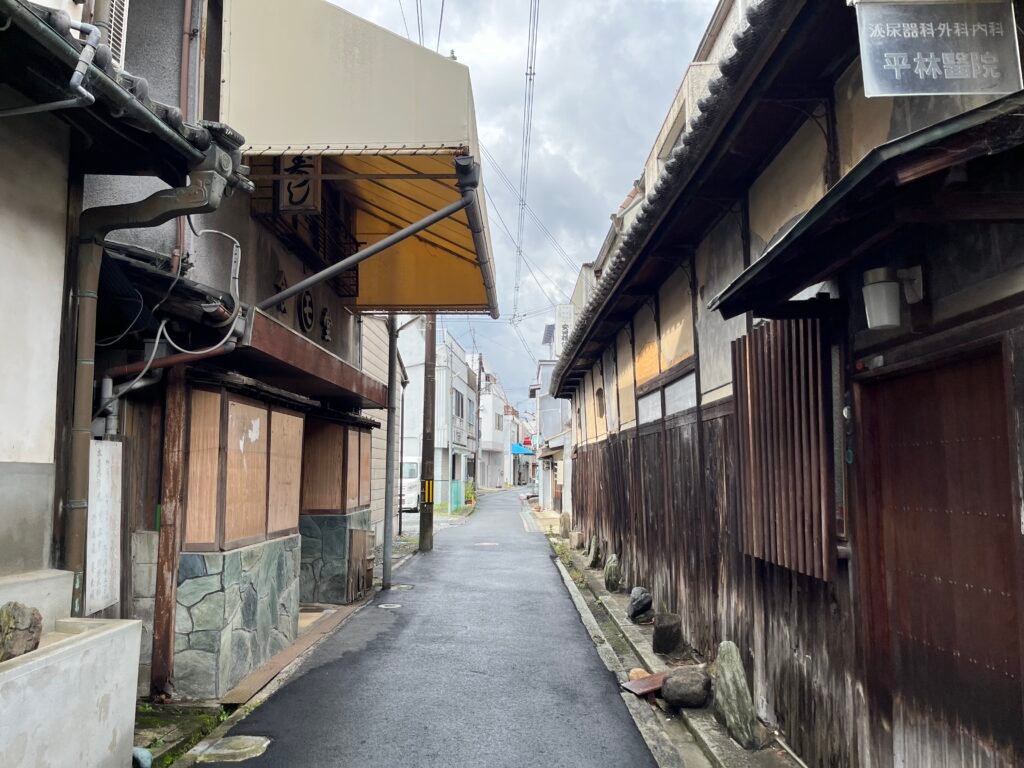
Where Everyday Life Meets the Sacred
Hashimoto was once a place through which countless people traveled on their way to Koyasan.
Koyasan is one of Japan’s most important Buddhist sacred sites, established approximately 1,200 years ago by the monk Kukai. Today, its temples and places of worship continue to welcome visitors from around the world.
One of the historic routes connecting cities such as Kyoto and Osaka with Koyasan was the Koya Kaido, a network of roads used by pilgrims and other travelers heading toward the mountain.
Around Hashimoto, these roads intersected with the Ise Kaido, associated with journeys to Ise Jingu, one of Japan’s most revered Shinto shrines, and the Yamato Kaido, which connected the Wakayama region with Nara. The Kinokawa River also served as an important waterway for transporting people and goods.
Before trains and automobiles, traveling required considerably more time and effort.
People walked along roads, crossed rivers by boat, and stopped in towns to eat, rest, or spend the night before continuing their journeys.
In the Shimizu district of Hashimoto, traces of the old post town that once welcomed travelers bound for Koyasan can still be found.
A post town was a settlement where travelers could find accommodation, meals, and other necessities along an established route.
Along the old road, traditional buildings with tiled roofs and wooden latticework still stand. And among them, everyday life continues much as it does in any other neighborhood.
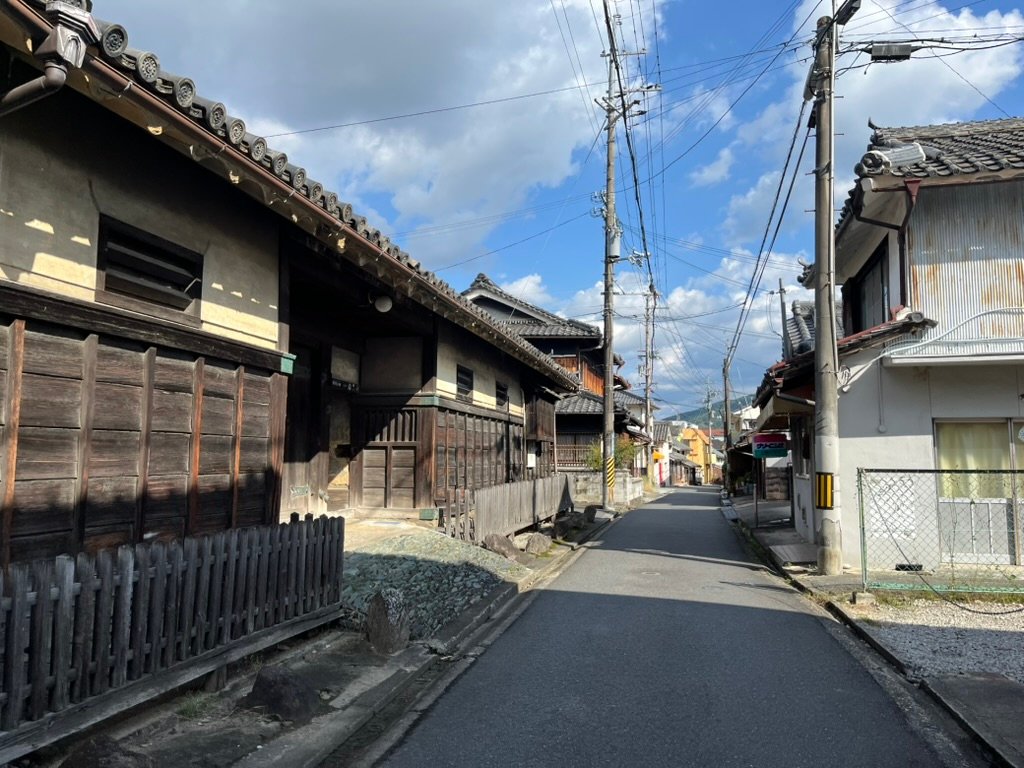
What might the people who once walked these roads have felt as they made their way toward the mountain?
Some may have traveled with prayers in their hearts. Others may have been carrying goods as part of their daily work.
There were inns welcoming travelers, people preparing meals, and boatmen ferrying passengers across the river.
Along the long journey to Koyasan, there were also countless ordinary lives unfolding.
The movement of people and the rhythms of everyday life helped shape Hashimoto over the centuries. Even today, traces of those accumulated stories offer glimpses into the deeper character of this place.
01 | The Kinokawa River and the Lost Bridge That Gave Hashimoto Its Name
The name Hashimoto carries the story of a bridge that no longer exists.
The Kinokawa River, which flows along the northern side of the city, has long played an important role in the region’s history and daily life.
Flowing from Nara Prefecture through Wakayama and into the Kii Channel, the river once served as a transportation route, with boats carrying goods between communities.
Yet crossing the river was not always an easy task for travelers.
In the late 16th century, a Buddhist monk named Mokujiki Ogo, who had close ties to Koyasan, played an important role in the development of this area.
Around 1585, Ogo is said to have helped establish a settlement in the Kosada area to accommodate travelers and support movement through the region.
Then, in 1587, he oversaw the construction of a bridge across the Kinokawa River. It measured approximately 236 meters in length.
Just three years later, however, the bridge is believed to have been swept away by a flood.
The bridge itself disappeared.
But the name Hashimoto—literally associated with the foot or base of a bridge—is believed to have survived from the settlement that grew beside it.
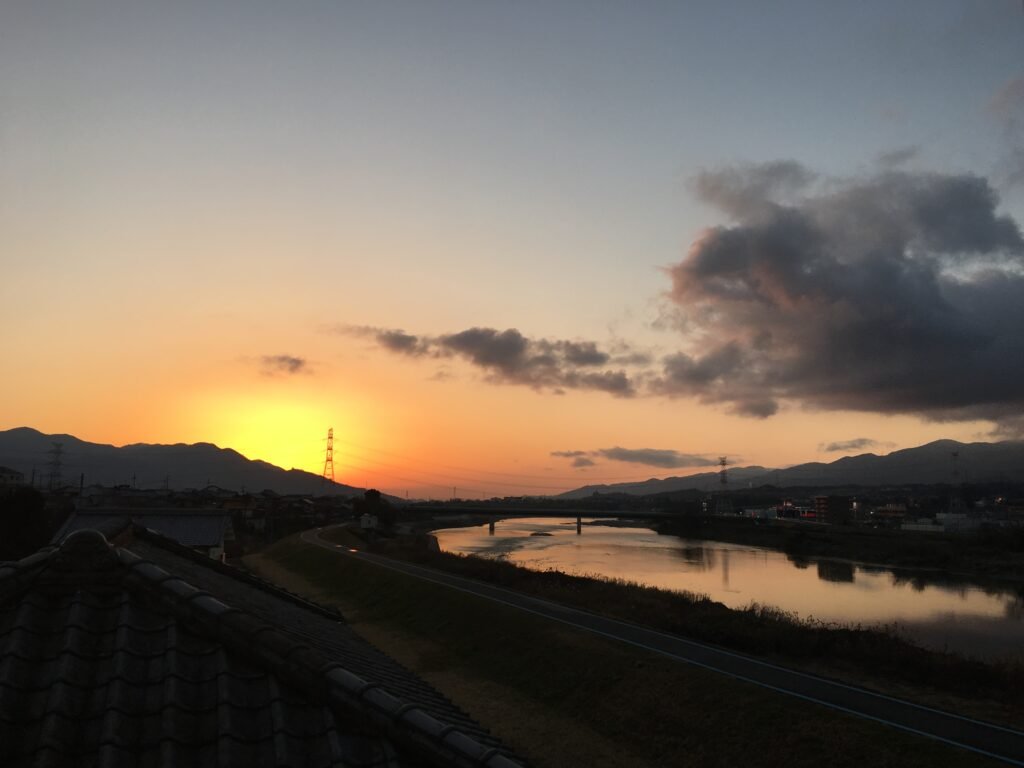
Standing on a bridge over the Kinokawa today, it may be difficult to imagine the people who attempted to build a crossing here hundreds of years ago.
But once you learn that the memory of a lost bridge lives on in the city’s name, the two Japanese characters for Hashimoto—橋本—begin to look a little different.
A place name can be a small connection between the past and the present.
The Story Behind the Name Hashimoto
02 | Stone Lanterns and the Memory of Those Who Crossed the River
Even after the bridge was lost, people continued to travel through Hashimoto.
They crossed the Kinokawa by boat and continued their journeys toward Koyasan.
On opposite sides of the river, two large stone lanterns remain as reminders of the former ferry crossings.
They are known as the Toge Ferry Crossing Great Stone Lantern on the northern bank and the Sangenjaya Great Stone Lantern on the southern bank.
These were joyato, stone lanterns associated with providing light or serving as landmarks, often connected with safe passage and religious devotion.
The Toge lantern, erected in 1814, bears inscriptions recording contributions from merchants, people involved in river transport, and religious communities.
Such contributions, known in Japanese as kishin, were donations made to support religious institutions or shared community purposes.
Among those recorded were indigo merchants from Awa Province, merchants from Kyoto, Naniwa, and Sakai, and groups associated with riverboats in Wakayama.
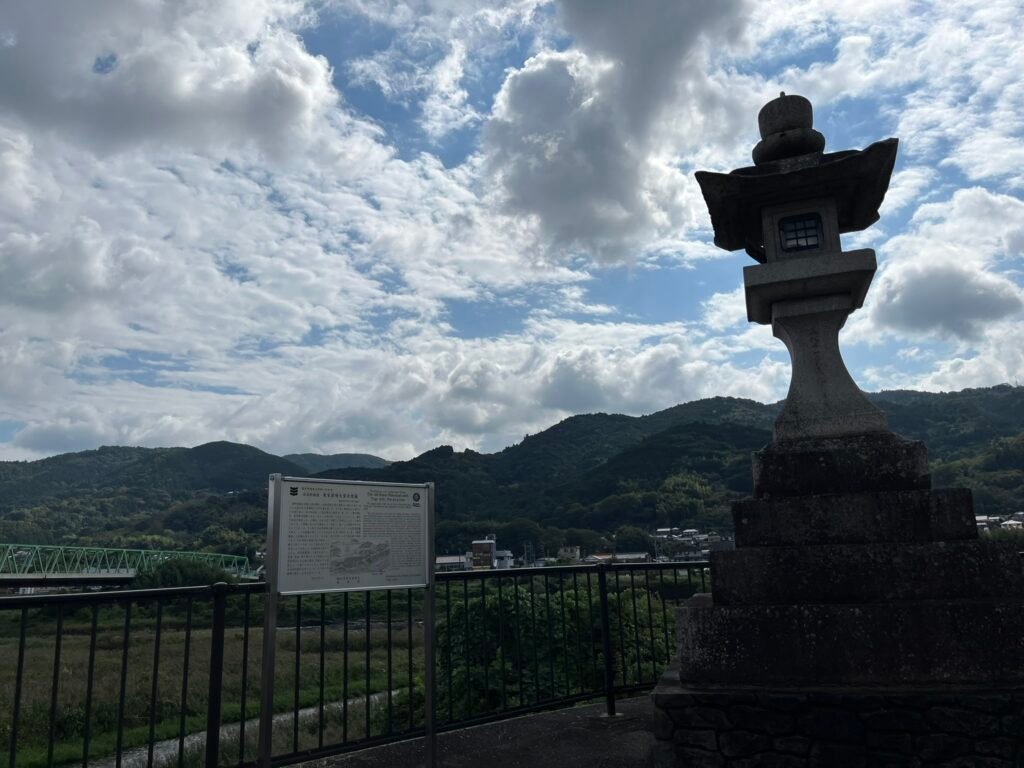
It is remarkable that a single stone lantern should carry the names of people from so many different places and walks of life.
The roads leading to Koyasan were not used solely for religious journeys.
For merchants and people working along the river, these routes were also part of everyday business and livelihood.
The names preserved in stone reveal something of the wide network of people who shared these roads.
Across the river, the Sangenjaya lantern bears an inscription dating its construction to 1752, along with the words Koyasan Kozanji-ryo, indicating a historical association with land belonging to a temple connected to Koyasan.
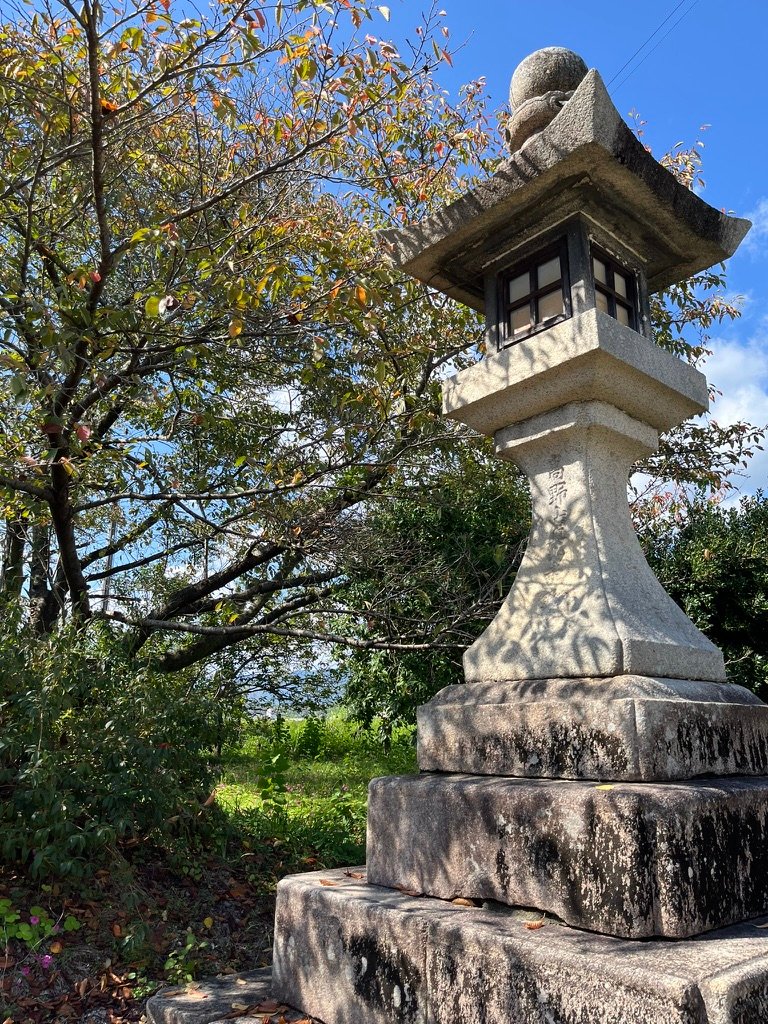
In those days, crossing the Kinokawa meant more than simply traveling from one bank to the other.
For pilgrims heading toward Koyasan, it was another step along the road toward sacred ground.
Today, there is no need to wait for a ferry to cross the river.
Yet the stone lanterns remain.
Their present locations, however, do not necessarily correspond exactly to where they originally stood. The Toge lantern was relocated in 2013 during river improvement works.
That change, too, is part of the story of a landscape that has continued to evolve over time.
Even an ordinary-looking stone monument can hold traces of work, faith, and connections with distant places.
Seen in this way, walking through Hashimoto becomes more than an opportunity to discover old buildings or monuments.
It becomes a way of reading the lives of those who came before us in the landscape that remains today.
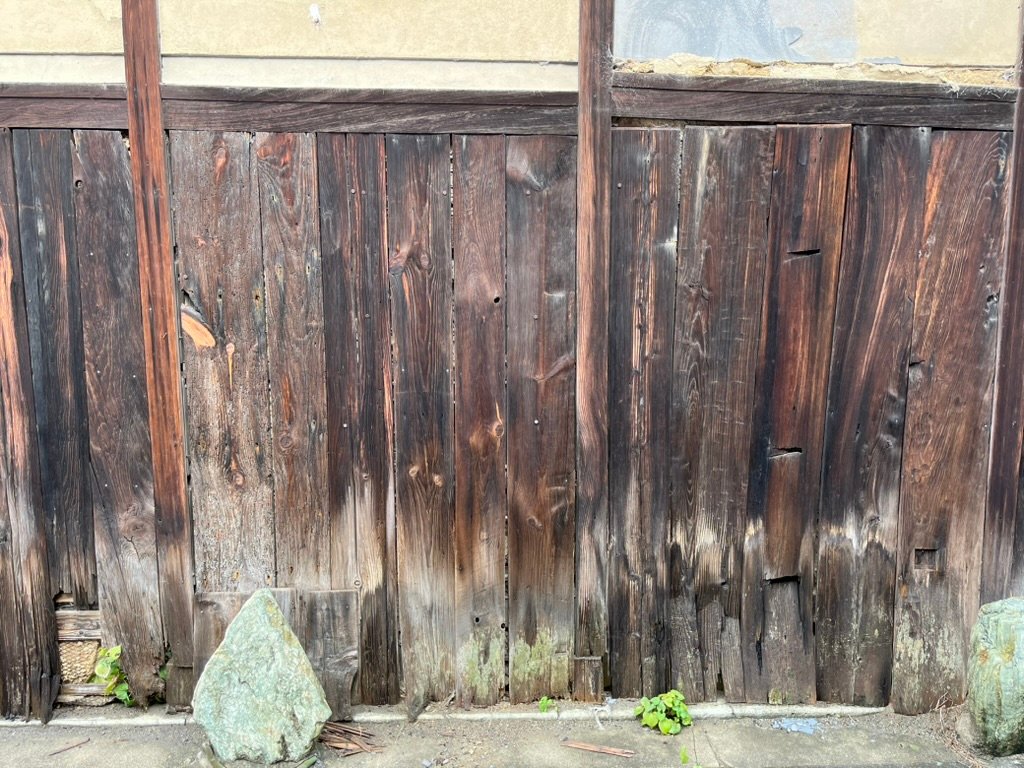
RELATED STORY — FROM THE JOURNAL
When Riverboats Became Walls
A second life for the wooden boats that once travelled the Kinokawa River.
03 | The Roads to Koyasan and the Lives That Sustained Them
After crossing the Kinokawa, travelers continued along the roads leading into the mountains toward Koyasan.
Historically, there were seven principal entrances to the sacred mountain, collectively known as the Koya Nanakuchi, or the Seven Entrances to Koyasan.
Each was connected to a pilgrimage route—a path used by people traveling to a place of religious significance.
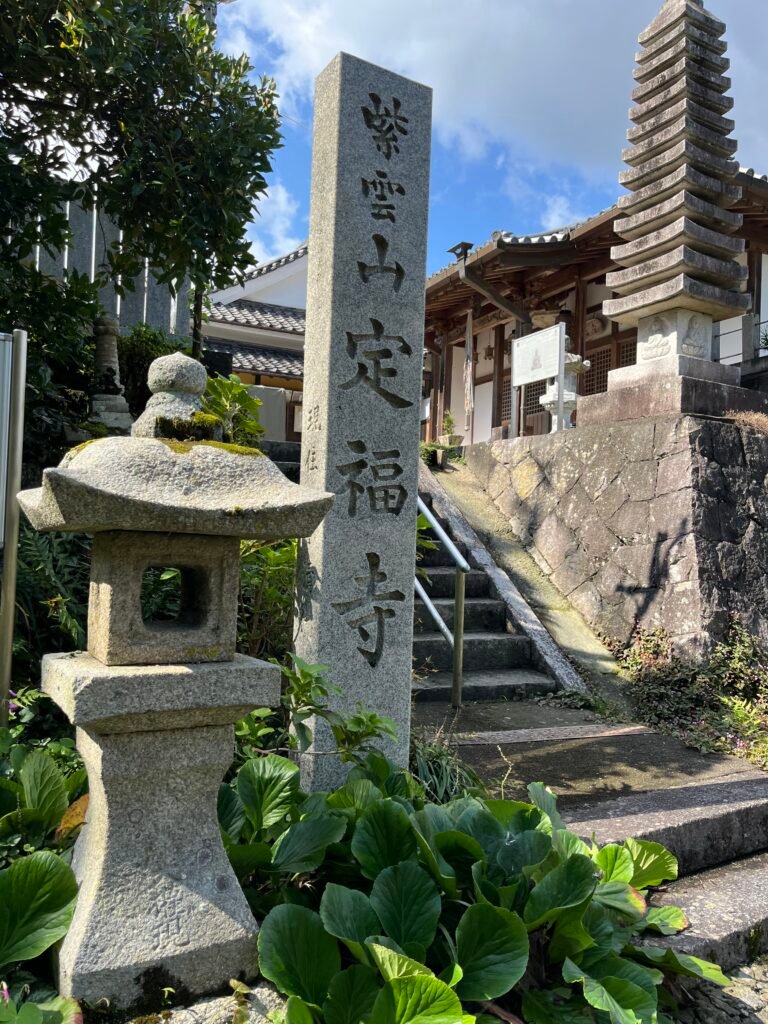
One of the historic routes connecting the Hashimoto area with Koyasan is the Kuroko-michi.
Beginning near Jofukuji Temple in the Kashikodo area of Hashimoto, this mountain route was used not only by pilgrims but also by people transporting goods needed by the communities living on Koyasan.
Even those who lived and practiced Buddhism on the mountain needed food and everyday supplies.
Their daily lives depended, in part, on the work of people who carried those necessities up from the surrounding areas.
When we visit Koyasan today, it is easy to be captivated by its magnificent temples and its extraordinary religious history.
But the mountain was sustained by more than the people who came to pray.
There were those who maintained the roads, carried goods, and welcomed travelers along the way.
Life in the communities below the mountain was also part of Koyasan’s history.
In 2016, the Kuroko-michi was added to the UNESCO World Heritage property Sacred Sites and Pilgrimage Routes in the Kii Mountain Range.
The recognition acknowledges that historical value lies not only in the sacred destination, but also in the paths people traveled over many generations.
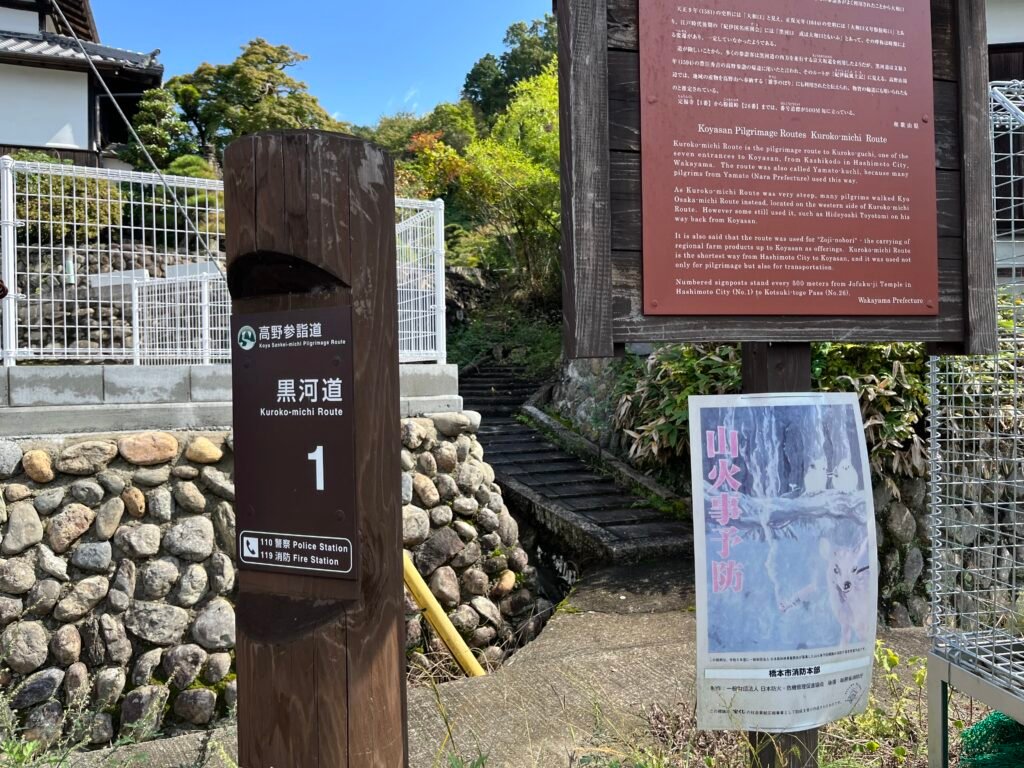
The Pilgrimage Road to Koyasan from Hashimoto — Kuroko-Michi
As of October 31, 2026, the entire Kuroko-michi route is closed following bear sightings and an incident involving human injury. Please do not enter the route unless the authorities officially announce that access has reopened.
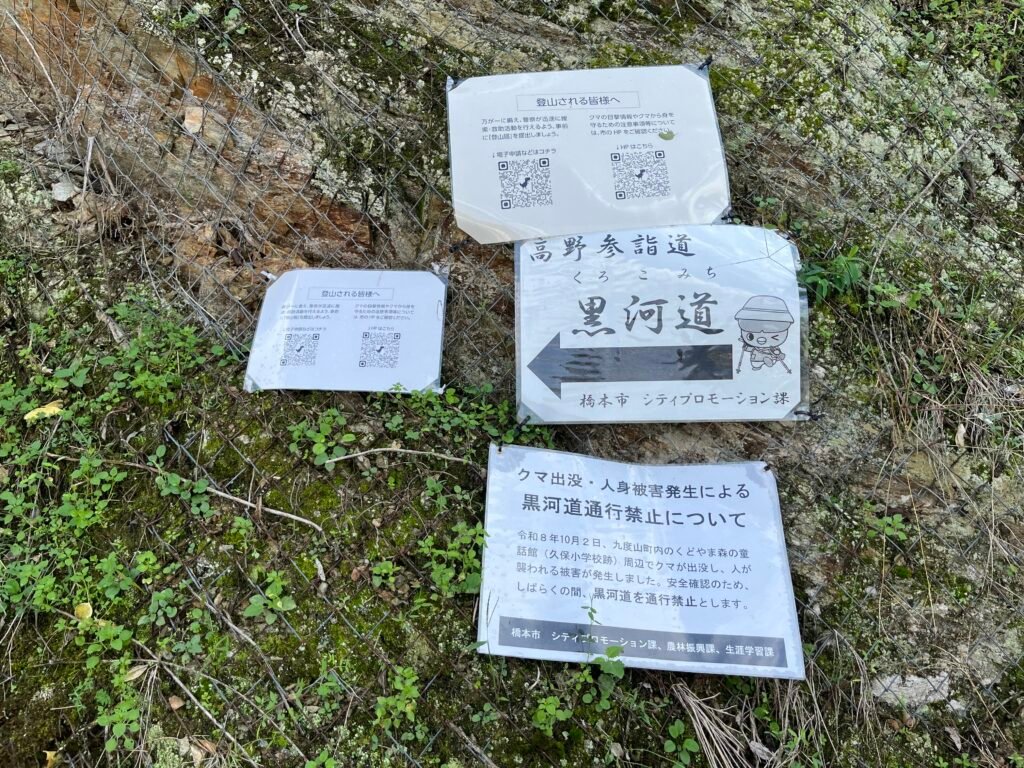
Check the latest information on the Hashimoto City website.
04 | Looking Again at the City Along the Way
Hashimoto is also home to remarkable craftsmanship, some of which has earned recognition far beyond Japan.
In the Koyaguchi area, artisans and manufacturers produce pile textiles—fabrics with raised fibers or loops that give them a distinctive softness and texture.
These textiles are used in clothing, furniture, and vehicle seating, among many other applications.
Who knows? The fabric on the Shinkansen seat you sat on last week might have been made in Koyaguchi.
Hashimoto is also known for Kishu Herazao, traditional bamboo fishing rods made for catching herabuna, a type of freshwater crucian carp.
In 2020, the Berlin-based publisher gestalten featured the craft in its book Handmade in Japan, introducing artisan Mamoru Yoneda and the tradition of Kishu Herazao.
The book explores the history of the craft, the qualities of Koya bamboo used in rod-making, and the ways in which skills have been passed from one generation of artisans to the next.
It also introduces the tradition of saomei, the individual names used by rod makers to identify their work and craftsmanship.
There is something quietly extraordinary about a single bamboo fishing rod made in a regional Japanese city finding its way into a book published thousands of kilometers away in Europe.
It is a reminder that the relationship between local materials and human skill can create something that resonates far beyond the place where it was made.
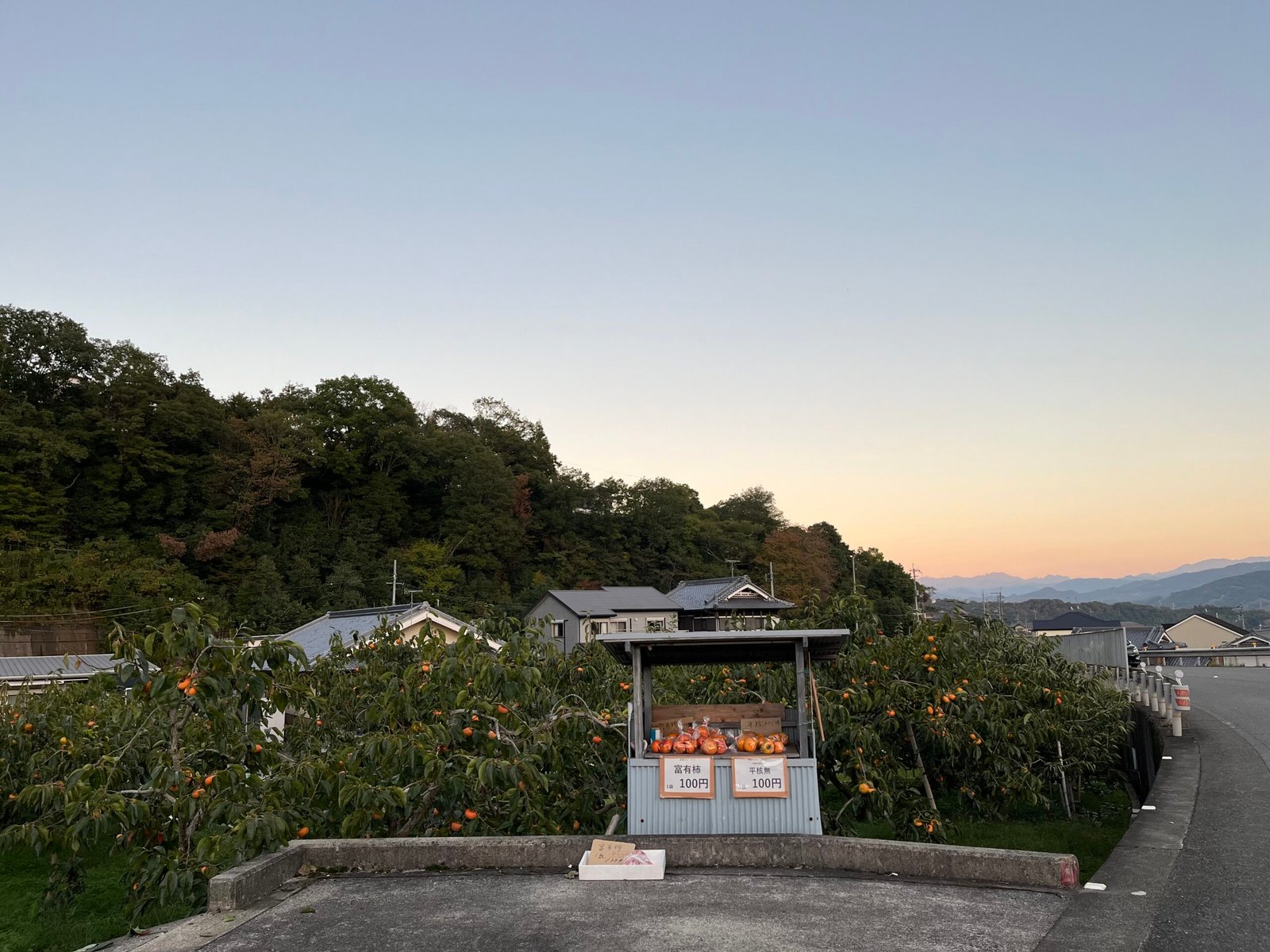
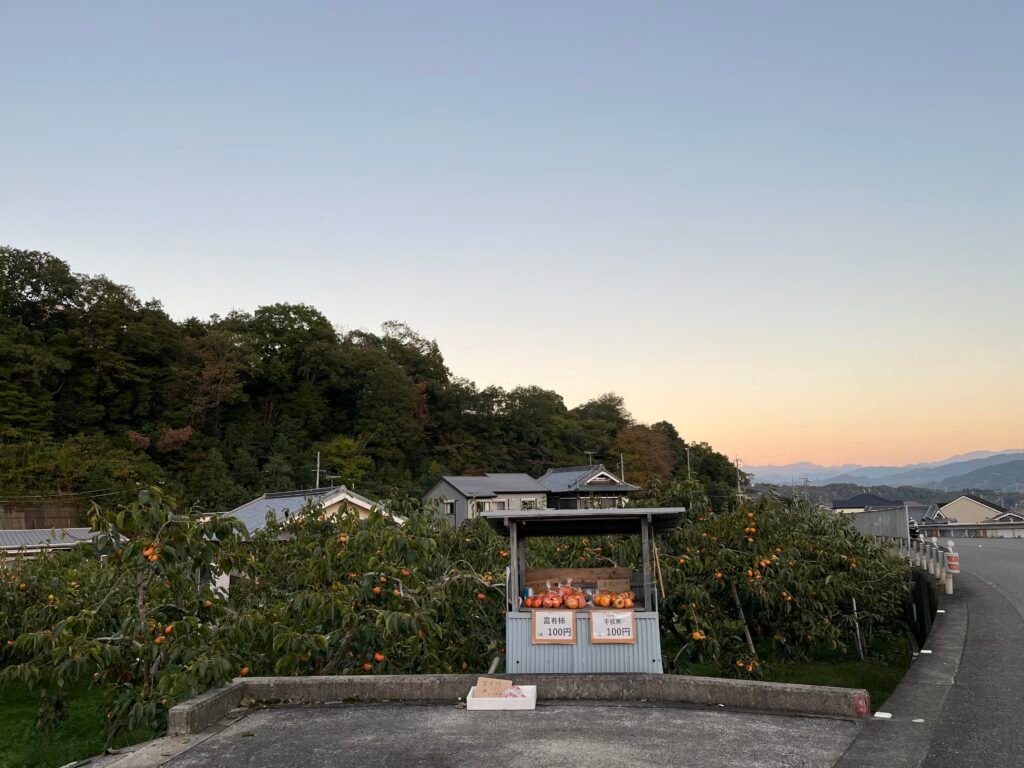
Hashimoto is also one of Japan’s well-known persimmon-growing areas.
In autumn, the fruit turns a rich orange, bringing a distinctive warmth to the orchards and surrounding landscape.
Small, unattended roadside stalls can be found in many places, selling locally grown produce. These are known as mujin hanbaijo, where customers select their produce and leave payment without a shopkeeper present.
October and November are particularly lovely months to enjoy persimmons here.
If you come across a roadside stall near an orchard, I hope you’ll try buying a large, freshly harvested persimmon.
And a little local tip: be sure to peel the skin before eating!
Closing | Before We Reach Our Destination
When we plan a journey, we usually begin with a destination.
A temple we hope to visit. A landscape we want to see. A culture we wish to experience.
Working out how to fit these places into a limited itinerary is part of the pleasure of travel.
Yet every place we pass through on the way to our destination has its own history, even when we barely notice it.
Beyond the streets and buildings we encounter while traveling, there are always people going about their everyday lives.
Taking the time to understand those lives, with curiosity and respect, can open up a different kind of relationship with a place—one that simply visiting its famous sights may never offer.
Perhaps learning something about Hashimoto before continuing to Koyasan will allow us to see the journey from a different perspective.
To understand a destination more deeply, we can begin by discovering the history and connections of the places around it.
I believe this offers us another way to experience the joy of travel.
A Place Worth Pausing For.
YUI Studio hopes to inspire encounters with places you never knew you would love.
Continue Exploring
Discover the history of Koyasan
Why Koyasan? — The Isolated Region People Have Journeyed To for Centuries
Explore the historic pilgrimage routes
The Pilgrimage Road to Koyasan from Hashimoto — Kuroko-Michi
Discover more about Hashimoto
Why We Choose Here: Discovering Hashimoto
Explore Hashimoto on foot
References
- Hashimoto City — Local history, cultural heritage, and pilgrimage route materials
- Hashimoto City Tourism Association — Regional tourism information and Kishu Herazao
- Kishu Fishing Rod Makers’ Association — Traditional rod-making techniques and the transmission of craftsmanship
- Kongobuji Temple, Koyasan Shingon Buddhism — History of Koyasan
- Agency for Cultural Affairs, Japan — Sacred Sites and Pilgrimage Routes in the Kii Mountain Range
- Handmade in Japan: The Pursuit of Perfection in Traditional Crafts. gestalten, Berlin, 2020. ISBN 978-3-89955-992-7. Section on Kishu Herazao.
Related Posts
 Hashimoto Station — A Brief History Hashimoto, Kinokawa, Koyasan, Nankai Railway, Railway History, Wakayama Opened in 1898, Hashimoto Station became an important railway junction with the… ...
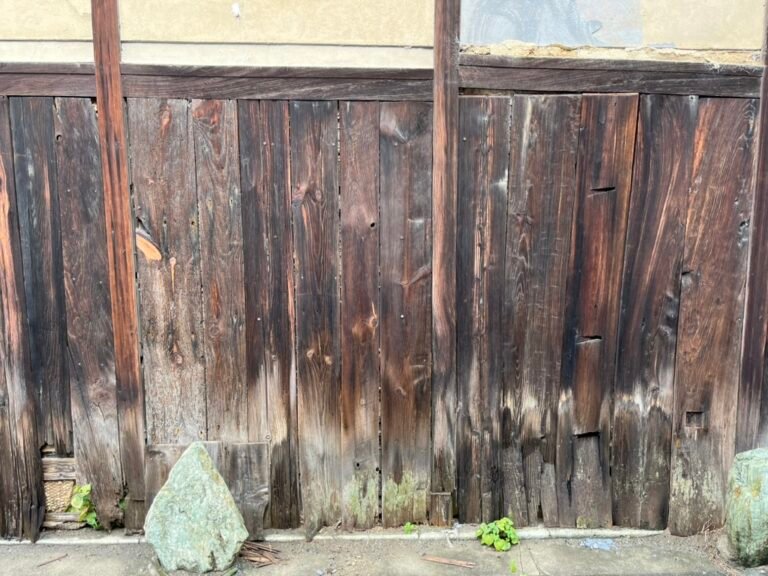 When Riverboats Became Walls Hashimoto, Kinokawa, Koyasan, Pilgrimage Discover the weathered wooden walls of Hashimoto, where old riverboat planks are… ...