Hashimoto City,
Where Our Journey Begun
Some places become home long before we realise we have chosen them.
HASHIMOTO, WAKAYAMA · 15 MIN READ
There are places in the world we feel we know long before we arrive.
Landscapes we have seen countless times in photographs and films. Buildings whose silhouettes are instantly recognizable. Destinations that draw visitors from around the world.
We set out on our journeys with certain expectations of these places.
Yet the moments that stay with us longest are not always the ones we travelled so far to experience.
A landscape glimpsed through a train window. A small shop we happened to wander into. A conversation with someone we met along the way. An ordinary street we had no particular reason to walk down.
Sometimes, a place we had never even heard of becomes one of the most memorable parts of a journey.
These are the places YUI Studio hopes to bring into view.
And for us, that journey begins in Hashimoto, a city in Wakayama Prefecture.
A Place That Rarely Asks for Attention
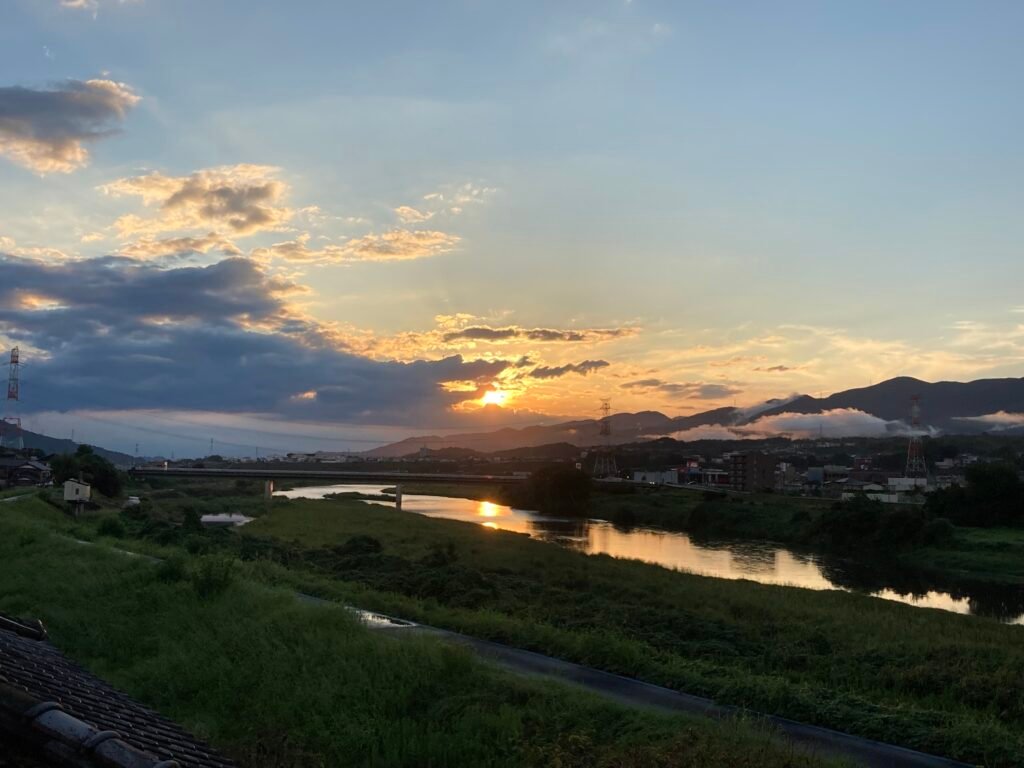
Hashimoto lies in northeastern Wakayama Prefecture, where the Kinokawa River flows between the surrounding mountains.
Some travellers may recognize its name as a railway junction on the way to Koyasan.
Far fewer think of Hashimoto as a destination in its own right.
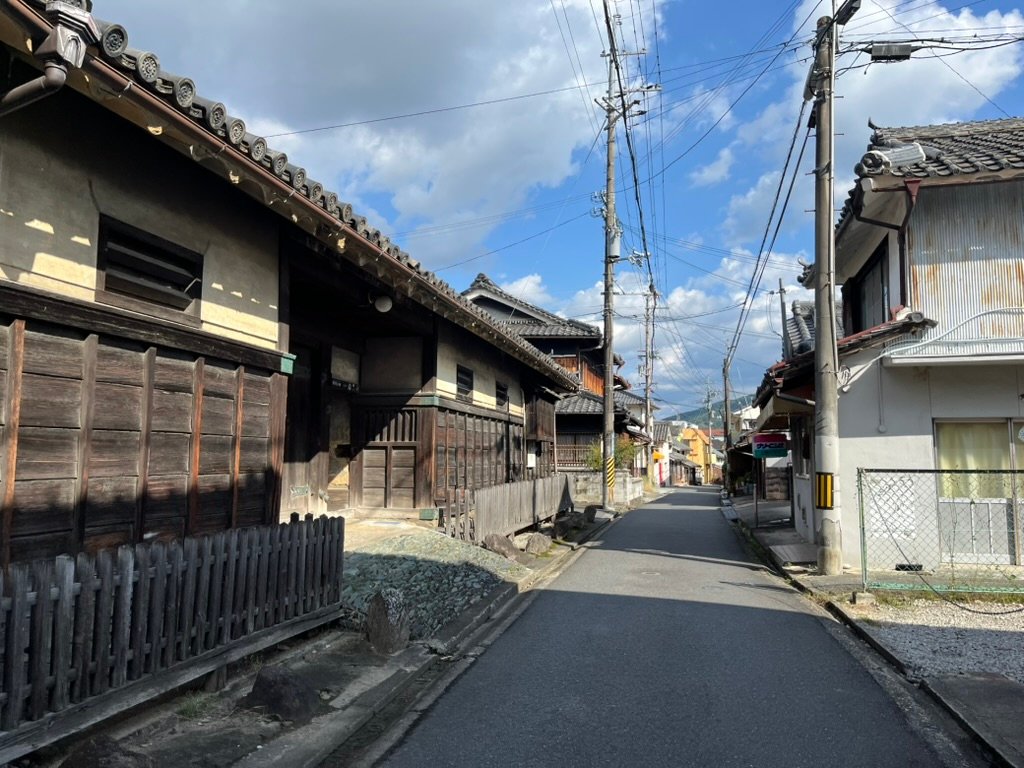
Step outside the station, and you will find the familiar landscape of an everyday Japanese city: houses, shops, streets, and the quiet rhythms of daily life.
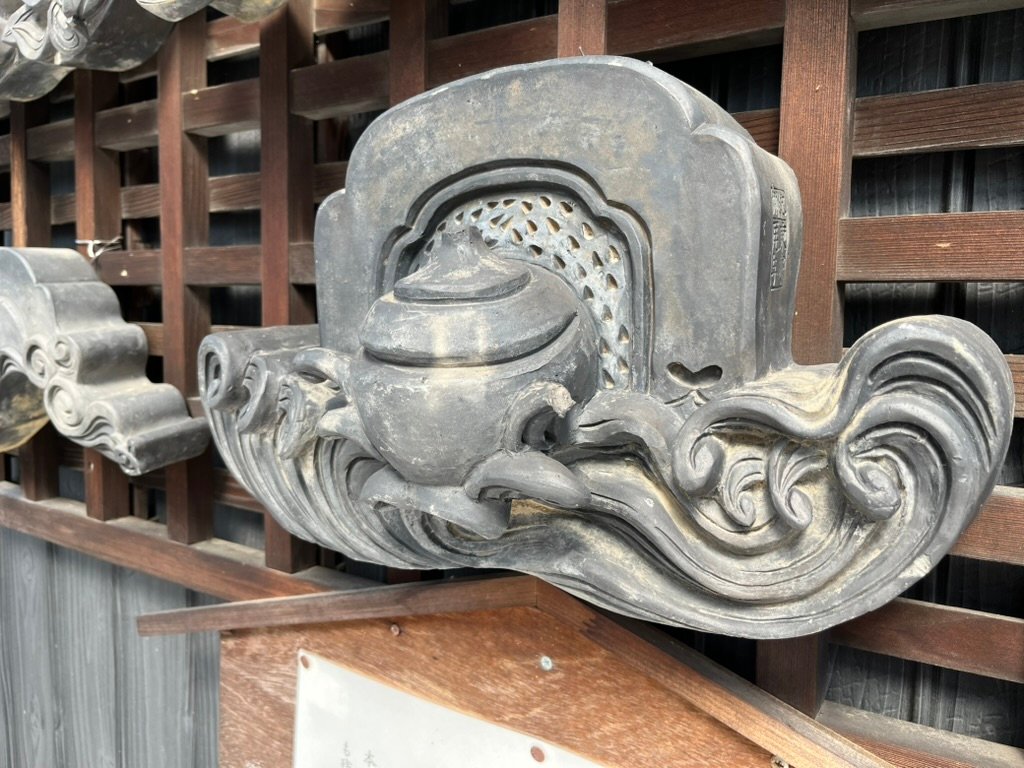
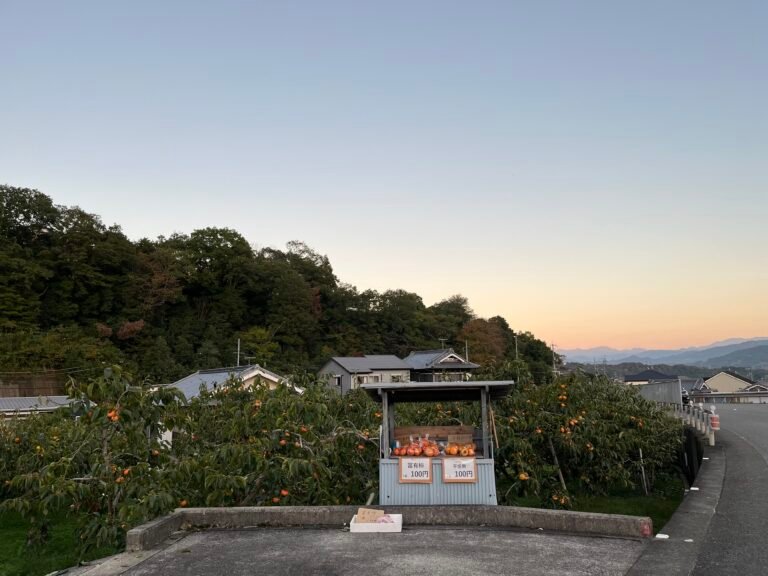
The sound of a railway crossing. An open sky above the river. Persimmon trees growing along the hillsides. Weathered roof tiles. The small sounds of the city returning after a train has passed.
None of these things is there to attract a visitor’s attention.
Yet when we slow down, the landscape begins to reveal itself differently.
Old wooden boards along the side of a building may carry traces of a former life aboard a riverboat on the Kinokawa.
A road that seems unremarkable today may follow a route once travelled by pilgrims making their way to Koyasan, or by merchants carrying goods between communities.
Even the city’s name holds a connection to a bridge that no longer stands.
It is not that Hashimoto lacks history.
It is that history remains woven into the ordinary fabric of life.
We want to walk a little more slowly, so that we might begin to notice it.
From Seeing a Place to Understanding It
Modern travel often rewards efficiency.
We try to fit as many destinations as possible into a limited amount of time, visit the places everyone talks about, and return home with photographs of what we have seen.
There is pleasure in that kind of travel, too.
But seeing many places is not necessarily the same as understanding them.
Consider the Kinokawa River.
There is value in simply standing beside it and appreciating the view.
But when we learn that the river once served as a route for transporting people and goods, helping to shape the city’s development and sustain the lives of those who lived here, the same landscape begins to take on another meaning.
The river is no longer just a beautiful view. It becomes part of the story of the place.
The same is true of an old road.
Today, it may pass between houses and shops like any other street. Yet generations ago, travellers may have walked along it in search of a place to stay, merchants may have carried their goods through it, and pilgrims may have followed it towards the sacred mountain of Koyasan.
What we hope to share is more than historical knowledge.
We are interested in what happens when understanding the story behind a place changes the way we experience it.
We begin to notice things we might otherwise have passed by. Our connection to the place becomes a little deeper.
It is not necessarily that there is more to see.
It is that what we see begins to mean something different.
To us, this is one of the quiet gifts of travel.
The Human Hands Behind a Place
One of the things that draws us to Hashimoto is its tradition of making things.
In the Koyaguchi area of the city, pile weaving developed into an important local industry from the Meiji period onwards.
The soft, textured fabrics produced here have found their way into many kinds of products, reaching people who may never have known the name of the place where they were made.
Hashimoto is also home to the craft of Kishu hera fishing rods, a tradition of bamboo rod-making that continues today.
The process begins with selecting a natural material and continues through a series of careful, skilled stages until a single fishing rod takes shape.
We are drawn not only to the beauty of the finished object, but also to the decisions, techniques, and repeated gestures that make it possible.
This reflects something personal about YUI Studio, too.
Our interest in making things — whether ceramics, jewellery, paintings, or other forms of creative work — has shaped the way we look at the world.
Behind every handmade object is a process of working with materials, encountering unexpected difficulties, and gradually discovering what something might become.
There is patience in that process, as well as imagination.
And perhaps this is why, when we encounter a craft or a work of art, we want to know more than what it looks like.
We want to understand the maker’s perspective, the skills involved, and the place in which those skills have taken shape.
The same curiosity extends to agriculture.
In the orchards around Hashimoto, the landscape changes with the seasons.
Persimmons turning orange in autumn may appear to visitors as a beautiful seasonal scene.
Yet behind that harvest lies a year’s worth of work: pruning, thinning fruit, tending the trees, and responding to the weather as the seasons unfold.
The seasons are more than a picturesque backdrop.
They are shaped by the time, care, and labour of the people who live and work here.
When we tell the story of a place, we hope to make room for these lives and the work that sustains them.
A Living Community, Not a Tourist Backdrop
There is something we try to remember whenever we introduce a place to travellers.
It is somewhere people live.
Old buildings, neighbourhood shops, orchards, and workshops are not settings created for visitors.
They are part of everyday life — places where people work, raise families, make decisions, and adapt to change.
For this reason, we do not believe that sharing the beauty of a region means turning everything within it into a tourist attraction.
Nor do we believe that every little-known place necessarily benefits from becoming widely known.
We want to ask different questions.
What might a visit mean for the people who live there?
Whose work and daily lives might it affect?
What would we hope a visitor comes to understand?
These questions shape the places and stories we choose to share.
When introducing a small local shop, we want to be mindful of the people running it and the demands on their time.
When writing about a craftsperson, we want to seek permission, listen carefully, and give their own words the respect they deserve.
And when sharing locally made products or experiences, we hope to build relationships in which the people and communities behind them also benefit.
A meaningful experience for a traveller should have the possibility of being a positive encounter for the host community, too.
That is the kind of relationship we hope to nurture, little by little.
Respecting a place, however, does not mean wishing to preserve it exactly as it once was.
New houses are built. Shops change hands. The ways people live and work continue to evolve.
We do not want to look for a place’s value only in nostalgic scenes or traces of the past.
We want to recognize it in the choices, ideas, and everyday ingenuity of the people living there now.
Our aim is not to make the past appear more beautiful than it was.
It is to understand the place as it exists today, with all the history and change that have brought it here.
Why We Begin in Hashimoto
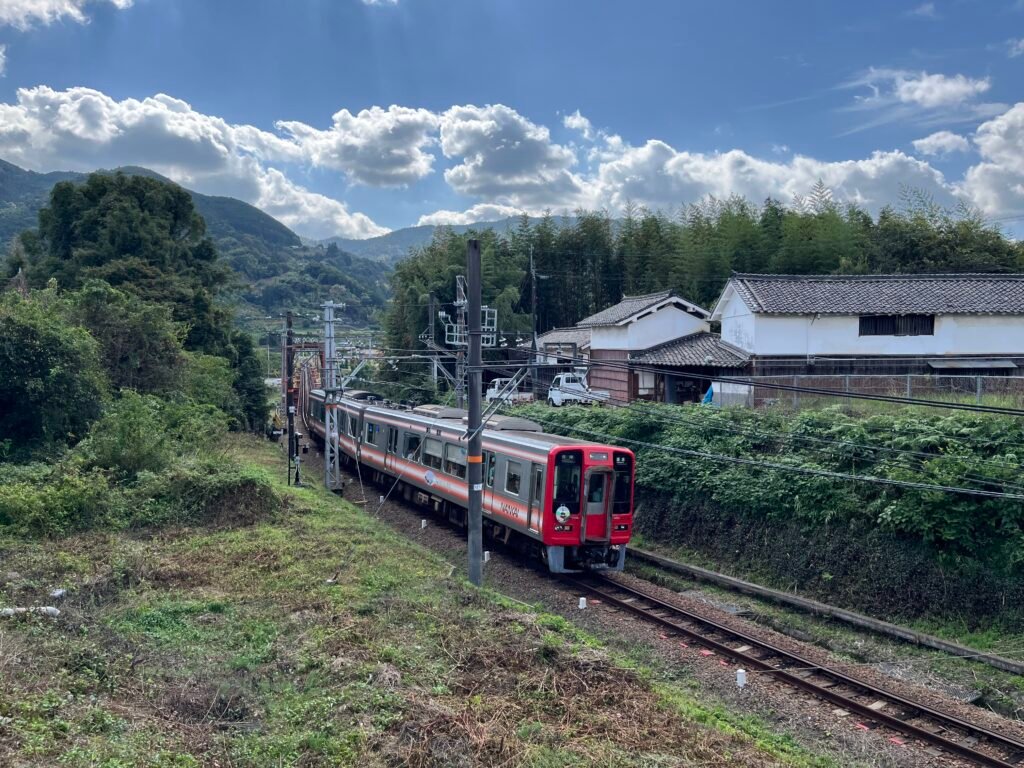
For many travellers, Hashimoto is a place they pass through on their way to Koyasan.
They change trains at the station and continue towards their destination.
But a place along the way is not necessarily less meaningful than the place we set out to reach.
Hashimoto has its own stories.
Stories of people who travelled its roads, of communities shaped by the Kinokawa River, and of skills developed and passed down through generations.
And alongside those stories is the life of the city today.
Our purpose is not simply to turn Hashimoto into a famous tourist destination.
We want to look carefully at the value that already exists here, and share it with people who have yet to discover it — together with the stories that give it meaning.
Through our Journal, we explore and document local history, craftsmanship, and everyday life.
Through our Guides, we offer travellers a way to experience these places for themselves, with a little more understanding of what they are seeing.
In time, we hope to work alongside local makers, shop owners, and others in the community to create new opportunities for connection through travel, experiences, and creative work.
We want to do more than gather information and recommend places.
We hope to build lasting connections between local communities and the people who come to visit them.
This is the work we want YUI Studio to do.
And the stories we hope to tell are not limited to Hashimoto.
There are overlooked places beside famous destinations, along the routes between them, and within the landscapes of everyday life.
Through what we begin here, we hope one day to bring the same care and curiosity to stories from other regions.
Not every place needs to become a celebrated destination.
But every place holds the possibility of being discovered, understood, and valued by someone who might never otherwise have encountered it.
We want to help people discover places they never knew they would love.
For YUI Studio, that journey begins in Hashimoto.
Related Posts
 What Do We Miss When We Simply Change Trains? Hashimoto, Koyasan What if the place you almost passed by held stories you never… ...
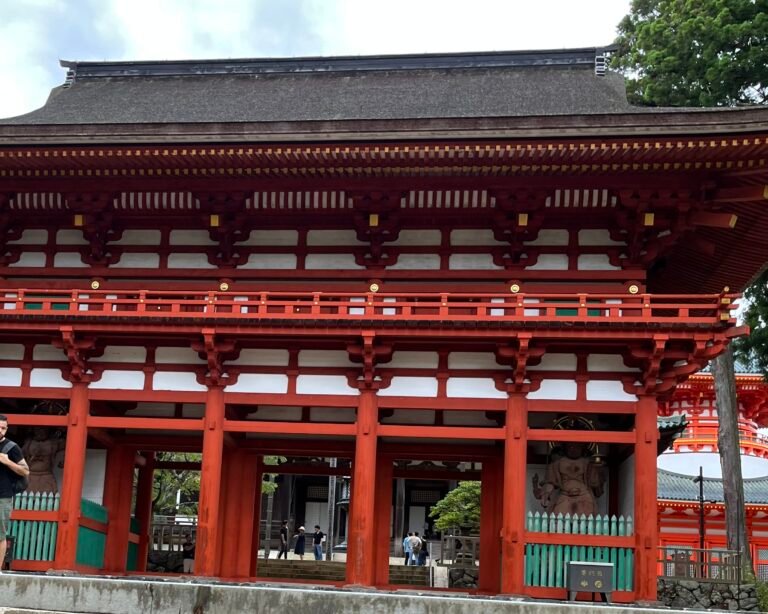 Why Koyasan? — The Isolated Region People Have Journeyed To for Centuries Koyasan, Pilgrimage Why have people travelled to Koyasan for more than a thousand years?… ...
Continue Exploring
Discover Hashimoto
Explore the city’s history, the Kinokawa River, its old roads, local craftsmanship, and the everyday landscapes that shape life here.
https://yuistudio.jp/discover-hashimoto/
When Riverboats Became Walls
Discover how traces of the wooden boats that once travelled the Kinokawa River may still be found in the buildings of Hashimoto.
https://yuistudio.jp/when-riverboats-became-walls/
The Roof Tiles Once Made in Hashimoto
Explore the history of the roof-tile industry that once formed part of Hashimoto’s local craftsmanship.
- Stay longer.
- Buy from people who make and grow here.
- Ask before photographing.
- Leave enough room in the day for a recommendation to alter it.