Hashimoto Station — A Brief History
Opened in 1898, Hashimoto Station became an important railway junction with the arrival of the Koya Tozan Railway in 1915. Discover how the station developed into a gateway to Koyasan.
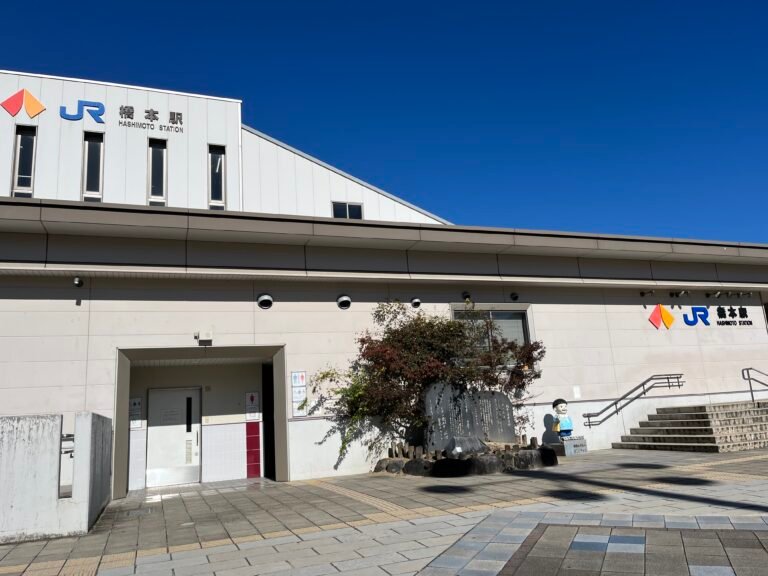
Opened in 1898, Hashimoto Station became an important railway junction with the arrival of the Koya Tozan Railway in 1915. Discover how the station developed into a gateway to Koyasan.
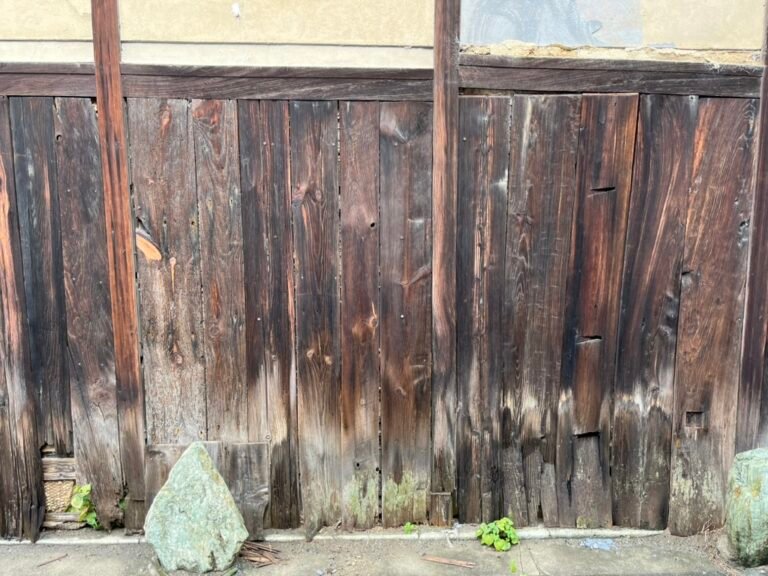
Discover the weathered wooden walls of Hashimoto, where old riverboat planks are said to have found a second life along the Kinokawa River.
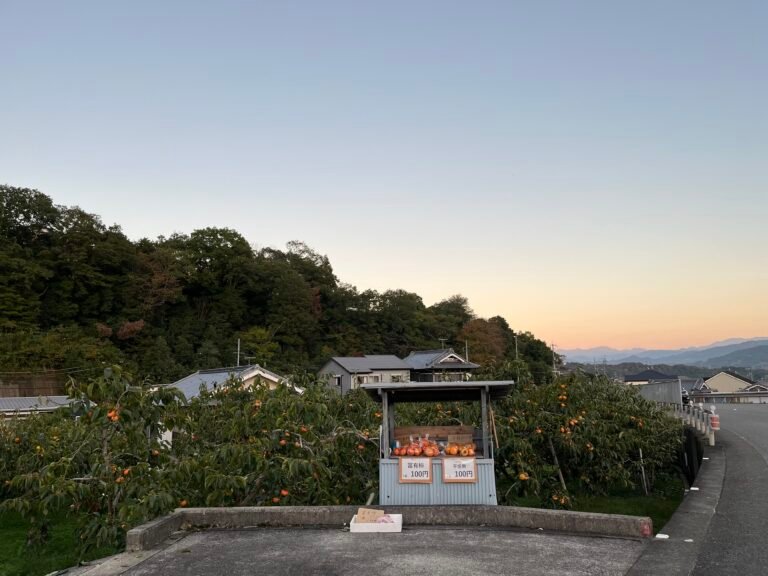
What if the place you almost passed by held stories you never imagined? Discover Hashimoto, where ancient pilgrimage routes, rivers, craftsmanship, and everyday life meet on the journey to Koyasan.
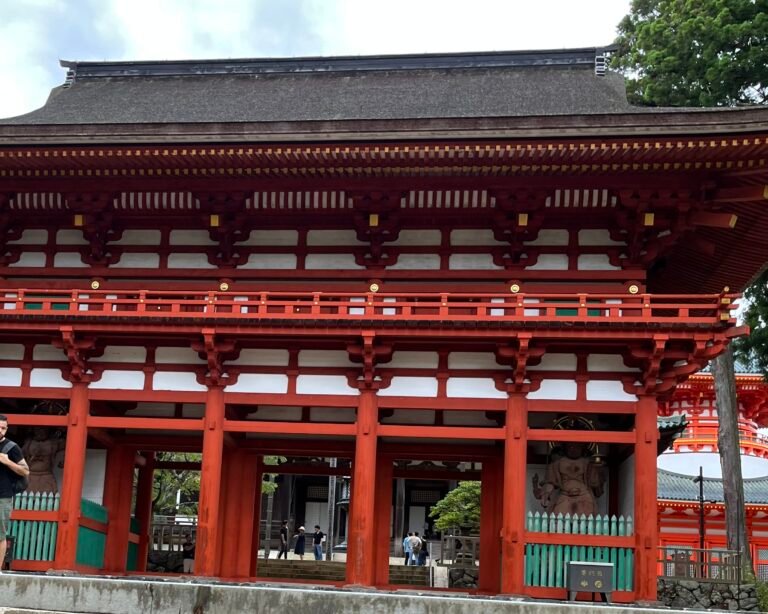
Why have people travelled to Koyasan for more than a thousand years? Discover the faith, history, and communities behind one of Japan’s most sacred Buddhist mountains.
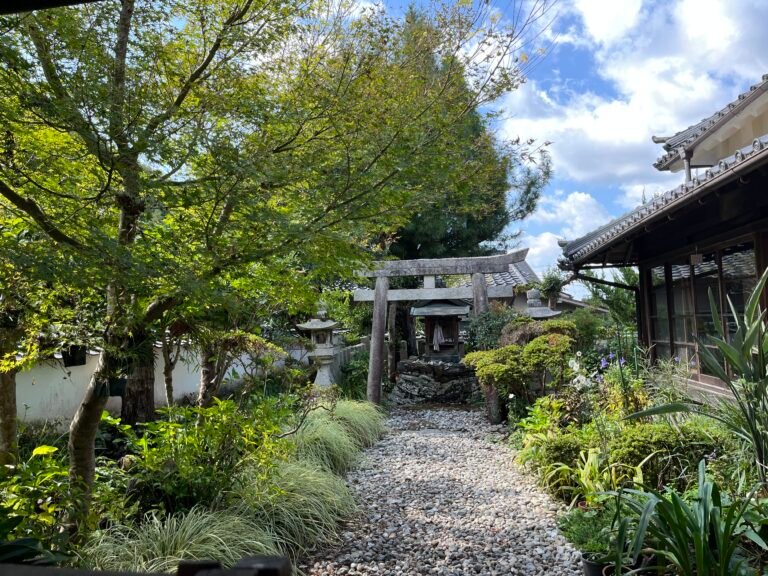
Long before the mountain came into view, the journey had already begun. The Road to Koyasan For more than a thousand years, people have made their way towards Koyasan. Founded in the ninth century by the Buddhist monk Kūkai, Koyasan became one of Japan’s most sacred Buddhist centres. Pilgrims travelled from distant places to offer…
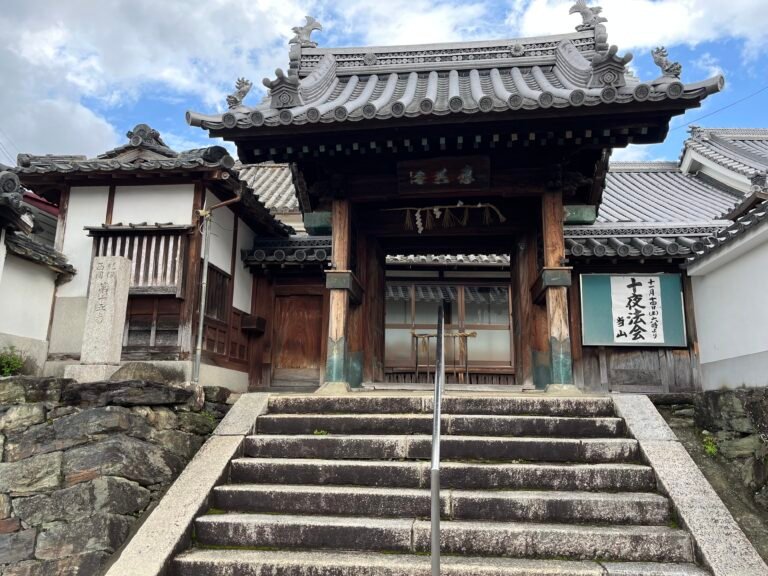
Mokujiki Ōgo (c. 1536/1537–1608) was a Buddhist monk associated with Koyasan during the late 16th and early 17th centuries.
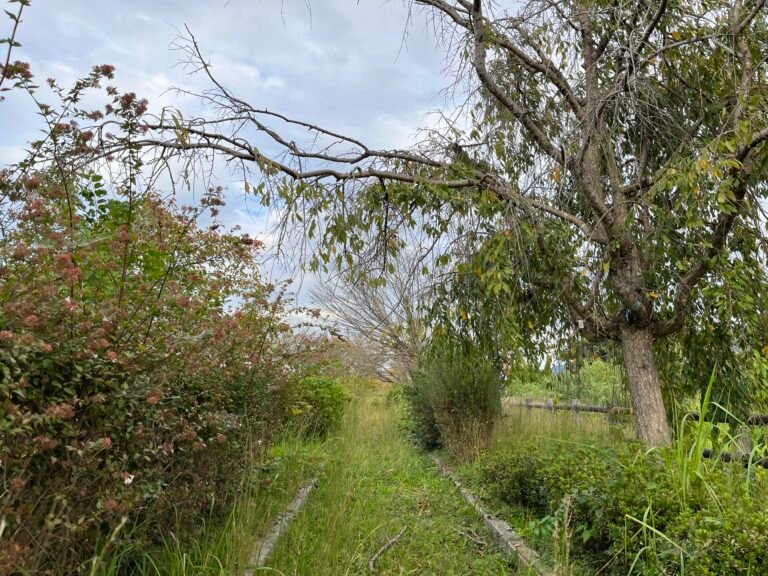
Discover the history of women who were once forbidden from entering Koyasan, and the temples and pilgrimage paths where they continued to pray.
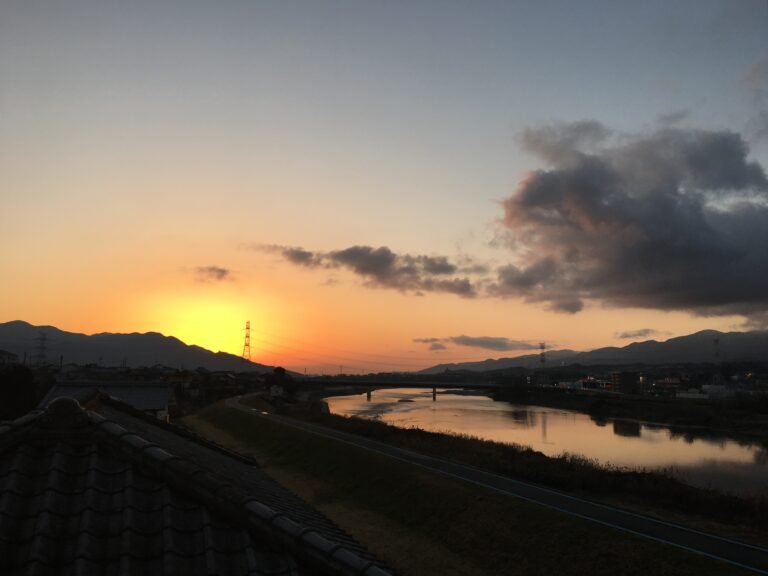
Discover how Hashimoto got its name and the history behind this region at the foot of Mount Koya.