Why Koyasan? — The Isolated Region People Have Journeyed To for Centuries
Deep in the mountains of Japan, there is a place people have been drawn to for more than a thousand years.
A Town Above the Clouds
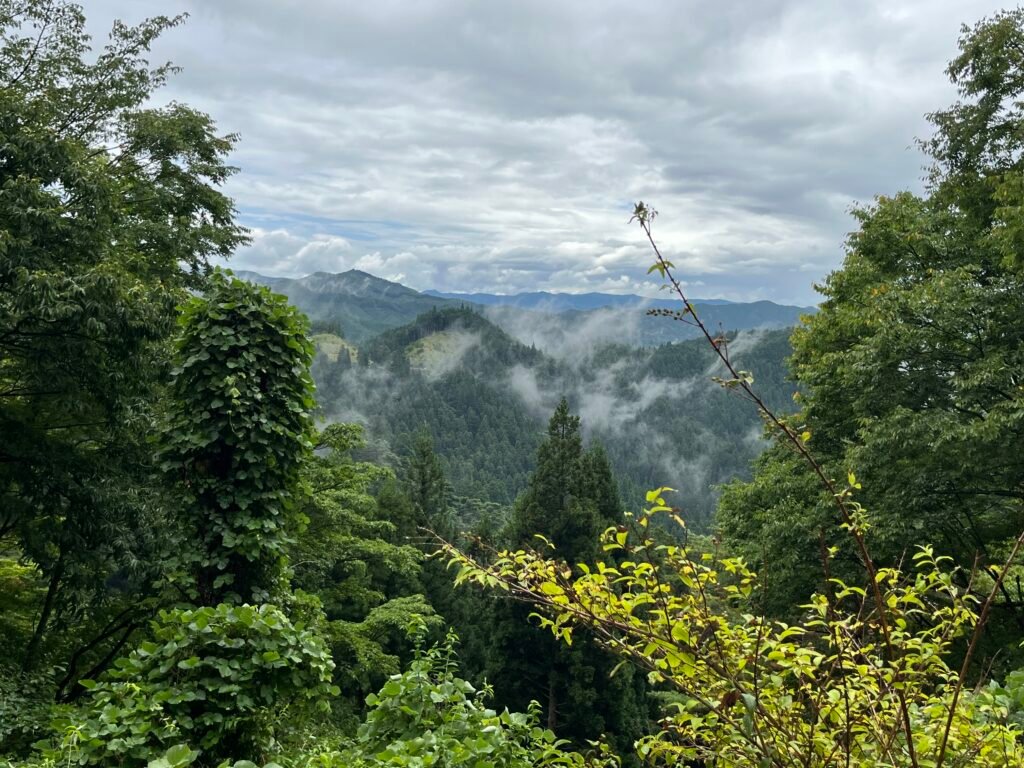
High in the mountains of Wakayama Prefecture, about 800 metres above sea level, lies Koyasan.
Surrounded by forests, this remarkable place is home not only to Buddhist temples, but also to a living community.
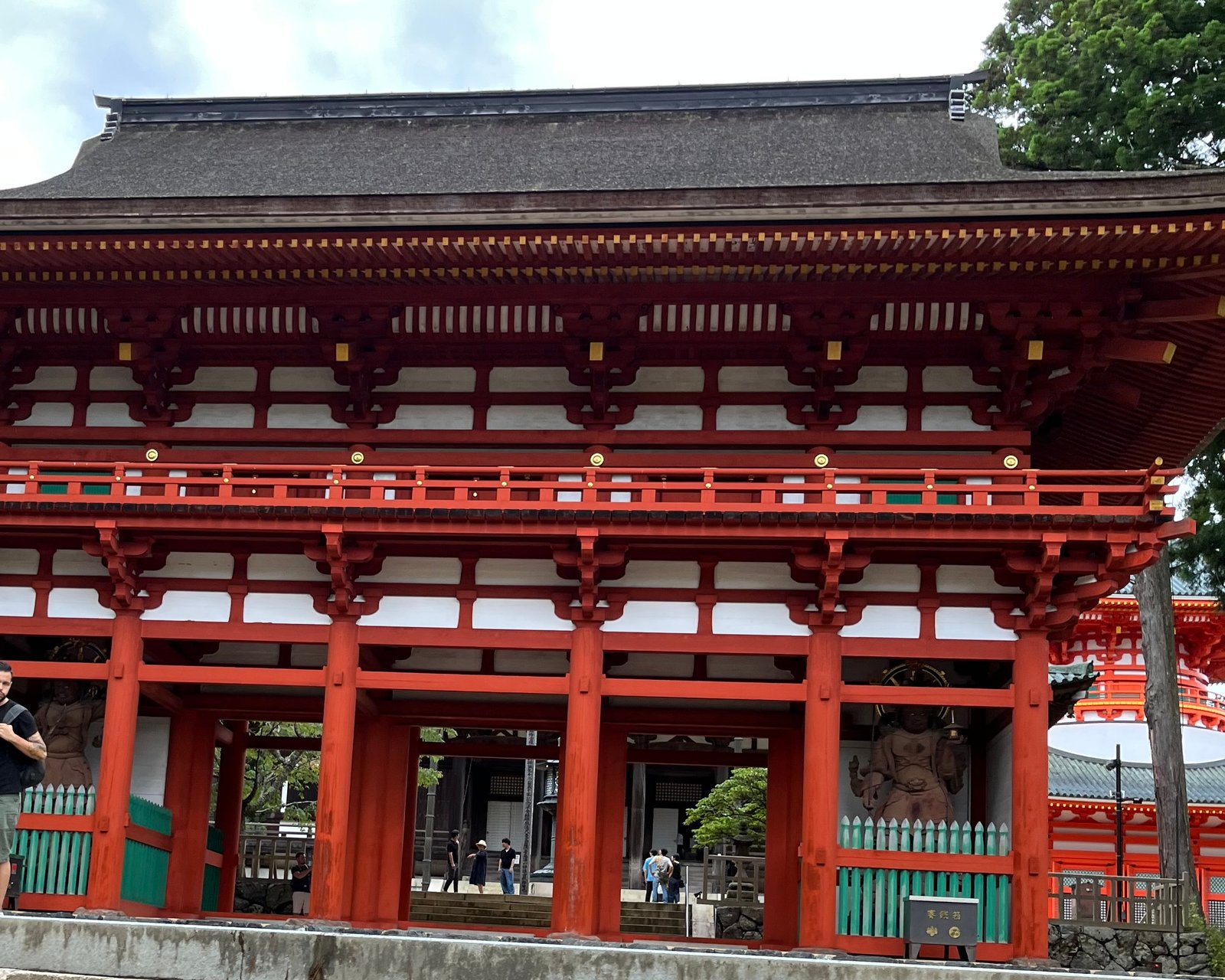
Walk through its streets, and you may encounter monks going about their daily routines or hear the quiet sound of Buddhist chanting from behind a temple gate.
Today, travellers from around the world come to experience Koyasan. Yet its history reaches back more than 1,200 years.
This is more than a collection of historic temples.
It is a sacred place where religious traditions, prayer, and everyday life continue to exist side by side.
The Mountain Kūkai Chose
The story of Koyasan begins with a Buddhist monk named Kūkai.
Later known as Kōbō Daishi, he became one of the most influential figures in Japanese Buddhist history.
After studying Buddhism in China, Kūkai returned to Japan and established the teachings of Shingon Buddhism.
In 816, he received permission to establish a place for Buddhist practice and meditation on Koyasan.
But why choose such a remote mountain location?
In Shingon Buddhism, the natural world is understood as an expression of the wisdom and presence of the Buddha.
The mountains surrounding Koyasan came to be regarded as a landscape representing the Buddhist spiritual universe.
Away from the distractions of the capital, this secluded setting offered a place for contemplation, religious practice, and prayer.
Over the centuries, the mountain grew into one of Japan’s most important Buddhist centres.
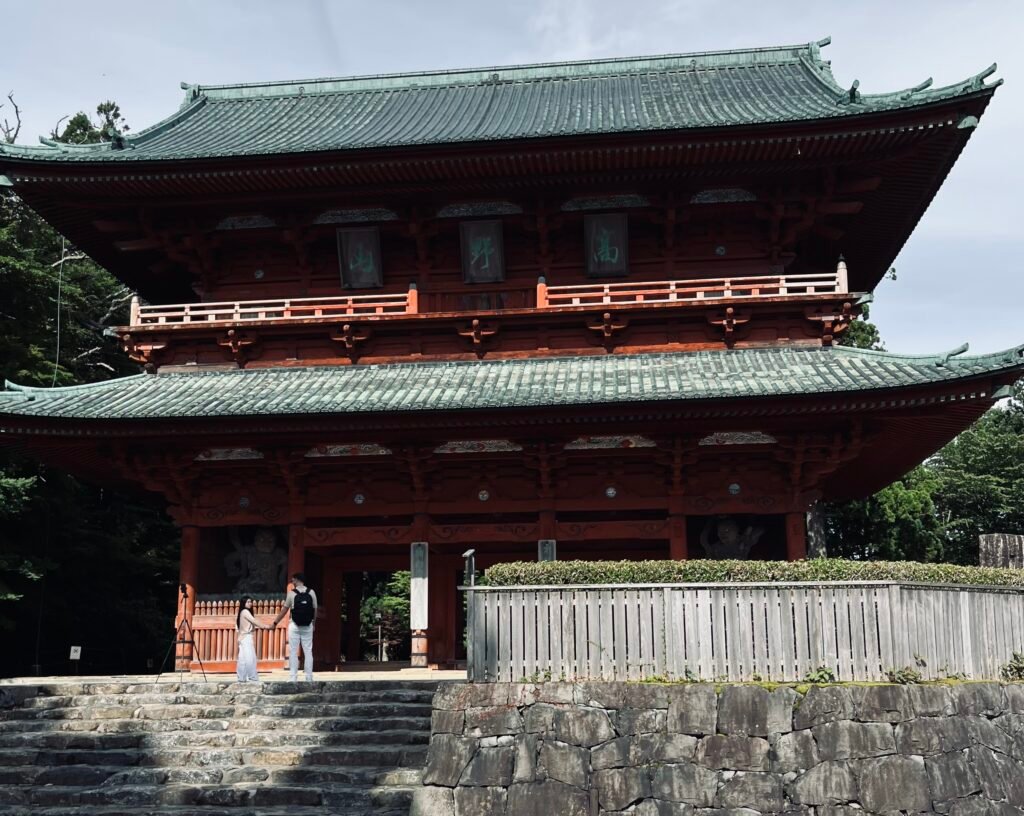
Why People Journeyed Here
According to tradition, Kūkai entered his final meditation on Koyasan in 835.
In Shingon Buddhist belief, however, he is not regarded as simply having passed away.
He is believed to remain in deep meditation at Okunoin, continuing to pray for the well-being and salvation of all living beings.
This belief lies at the heart of Koyasan’s spiritual significance.
At Okunoin, a long path winds through towering cedar trees, past countless gravestones and memorial monuments that have accumulated over centuries.
People have travelled here to honour Kūkai, remember loved ones who have died, offer prayers, and reflect upon their own lives.
For many, the journey was never simply about reaching a destination.
The act of travelling towards the sacred mountain could itself become a meaningful part of their faith.
The Roads That Led to the Mountain
Today, Koyasan can be reached by train, cable car, or road.
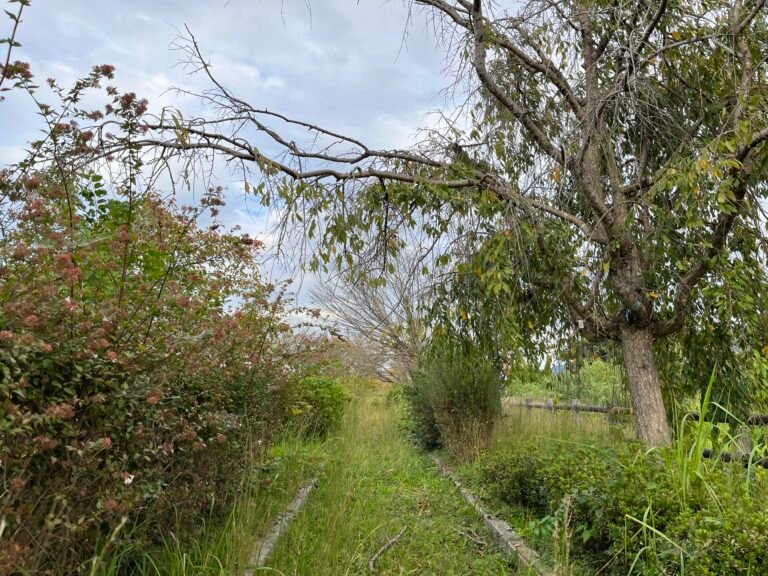
In earlier centuries, however, visitors approached the mountain on foot, following paths through the towns and villages below.
Traditionally, seven principal entrances led into Koyasan. Known as the Kōya Nanakuchi, these routes connected the sacred mountain with the surrounding region.
Pilgrims were not the only people who travelled along them.
Food, supplies, and everyday necessities also had to be carried up to the temples and communities on the mountain.
The religious life of Koyasan depended on its connections with the world beyond it.
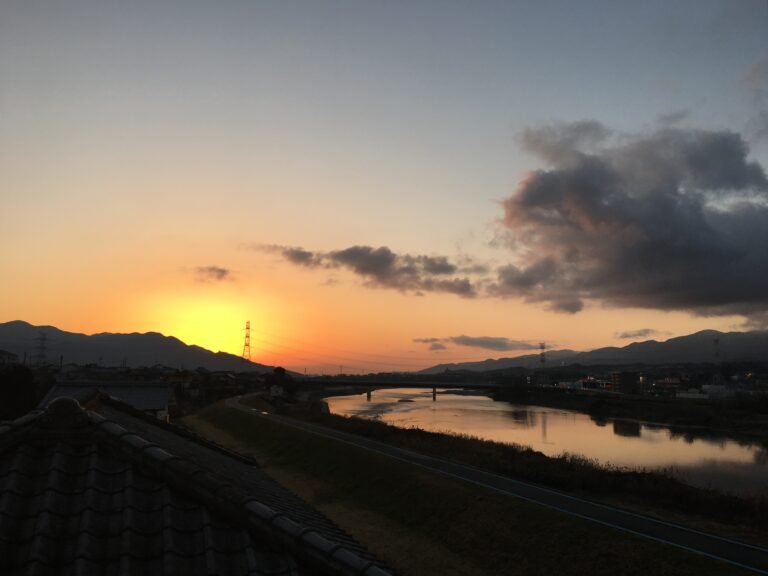
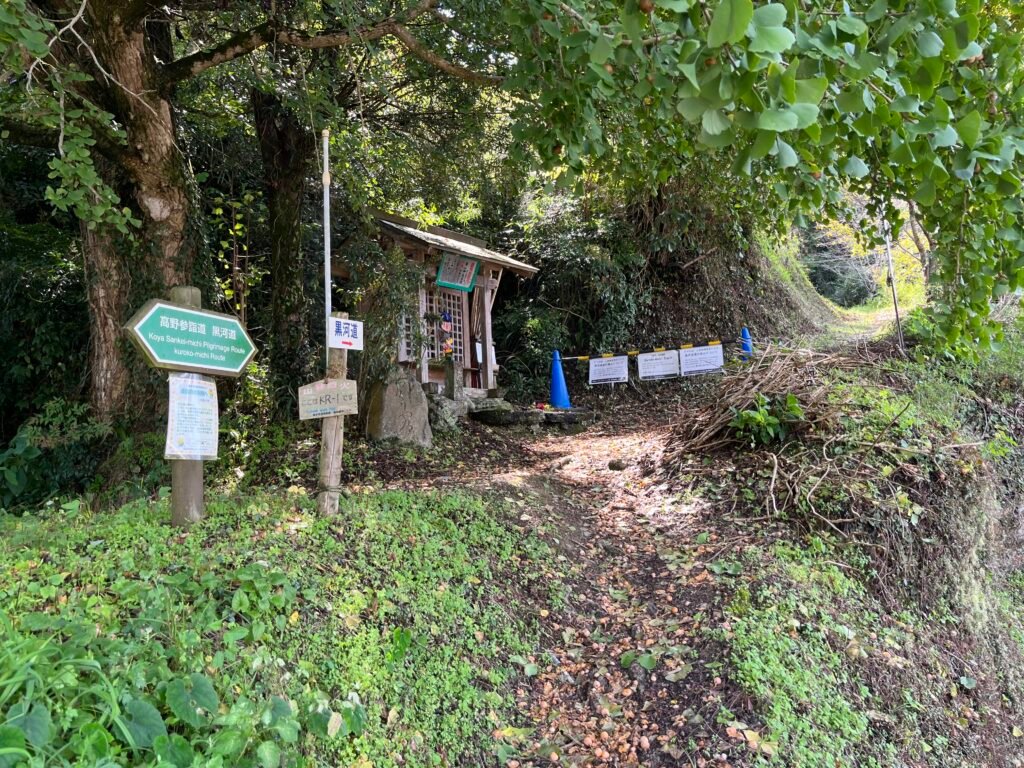
One of these historic routes was Kuroko-michi, an old mountain path connecting Hashimoto with Koyasan.
To discover more about this road and the people who travelled along it, read:
The Old Road to Koyasan — Kuroko-michi
The Stories Beyond the Mountain
When we visit Koyasan, our attention naturally turns towards its magnificent temples, ancient traditions, and remarkable history.
Yet the story of this sacred place was shaped by more than the people who prayed and practised Buddhism on the mountain.
There were those who walked the roads leading towards it.
Those who carried food and supplies.
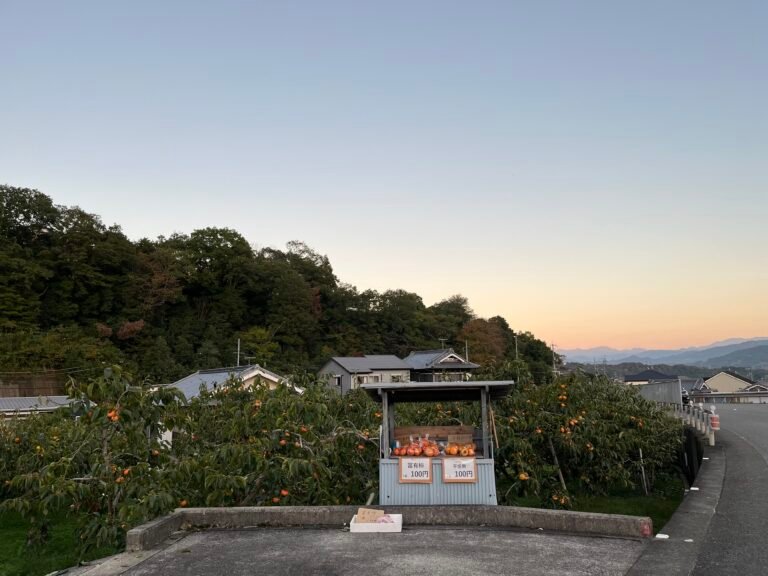
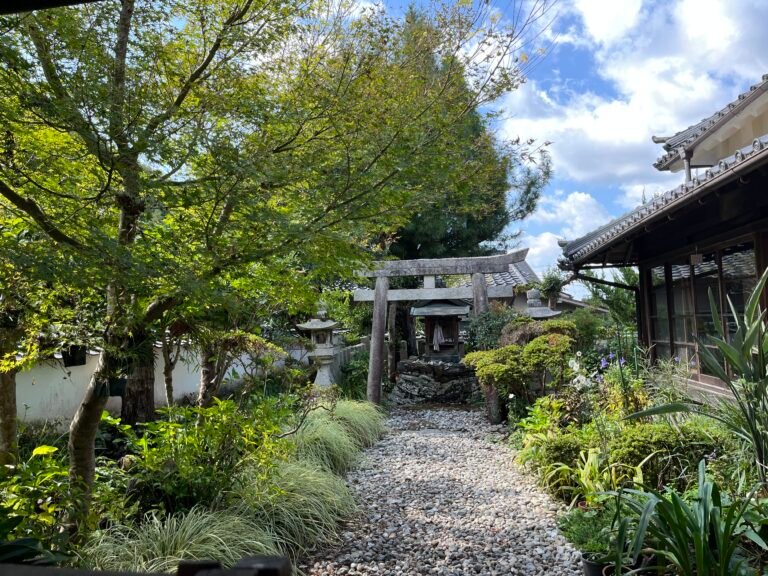
Those who welcomed travellers into the towns and villages along the way.
Their ordinary lives were also part of Koyasan’s extraordinary history.
Famous places rarely exist in isolation.
Behind every destination are the roads, communities, and countless individual lives that have helped shape it.
And those stories do not always remain within the boundaries of the places we have come to see.
To understand Koyasan is also to understand the people and places that have sustained it.
Perhaps, on your next journey to the sacred mountain, you might find yourself looking a little more closely at the landscapes along the way.
There may be stories there that have been waiting quietly to be noticed.
Sources & Further Reading
- Koyasan Shingon Buddhism — Kongōbuji Head Temple
- Wakayama Official Tourism Website
- Agency for Cultural Affairs, Japan
Continue Exploring
More stories from the foothills of Koyasan.
The Women Who Could Not Enter Koyasan
Related Posts
 The Pilgrimage Road to Koyasan from Hashimoto — Kuroko-Michi Hashimoto, Koyasan, Pilgrimage Long before the mountain came into view, the journey had already begun.… ...
 Who Was Mokujiki Ōgo? Koyasan, mokujiki-ogo, Ogo-Shonin Mokujiki Ōgo (c. 1536/1537–1608) was a Buddhist monk associated with Koyasan during… ...